June begins without announcement. The days grow longer, the green around the house deepens, and then one morning the mulberries are ready.
They are dark purple and heavy on the branches. They stain my fingers before I have picked three.
Eating the first ones outside
There is a mulberry tree at the edge of our yard. Every year it produces more fruit than we could use. Every year I tell myself that I will do something proper with it, and every year I eat most of it standing beneath the tree.
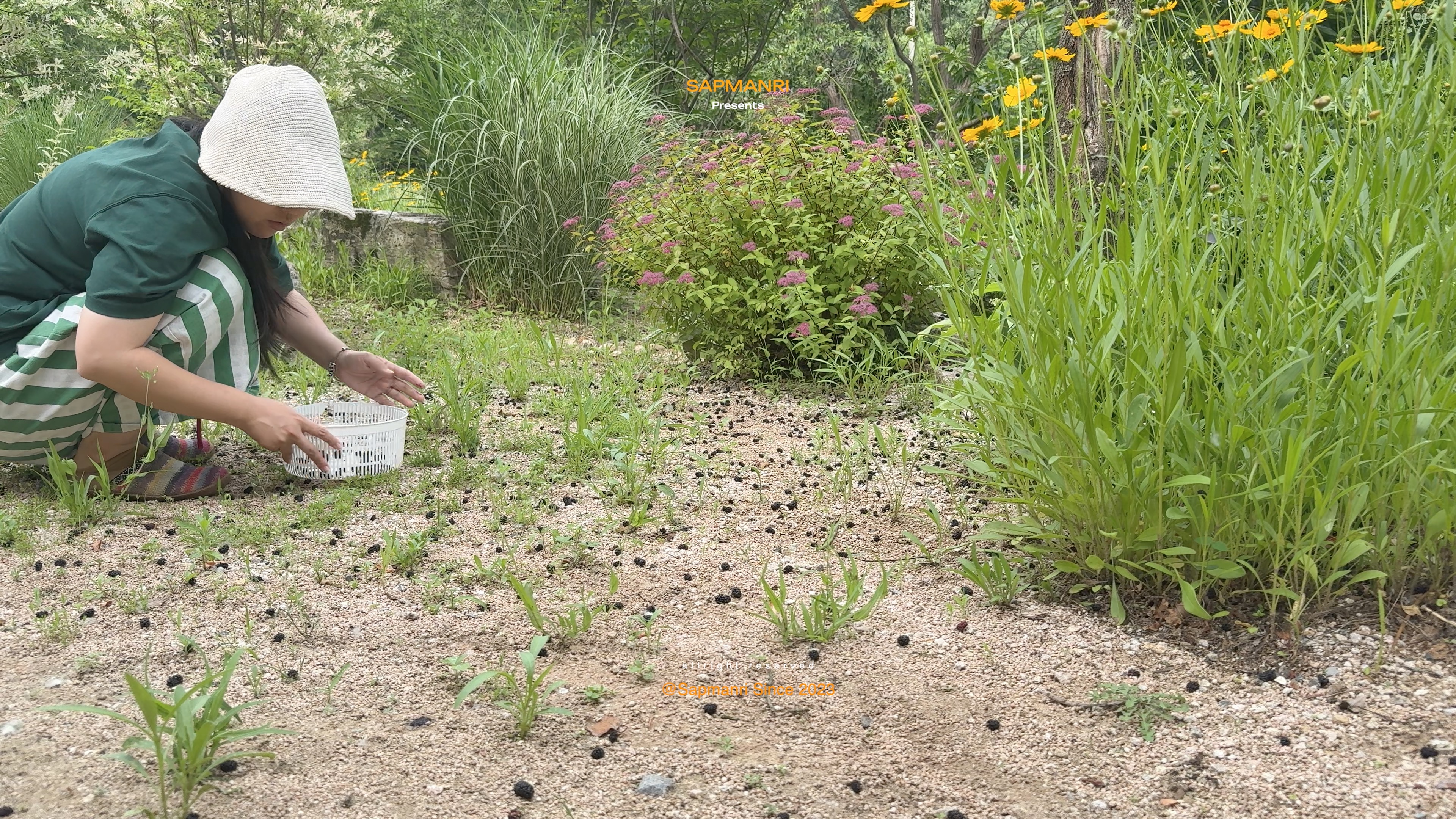
That is not a failure of planning. Fruit tastes different when it is eaten where it grew. No plate, no preparation, and no need to carry it anywhere. Just the shade of the tree, purple fingertips, and the taste of early June.
Saving a little of the harvest
This year, I managed to save some. I made a simple mulberry syrup, poured it into a bottle, and placed it in the refrigerator. For a brief moment, I felt unusually organised.
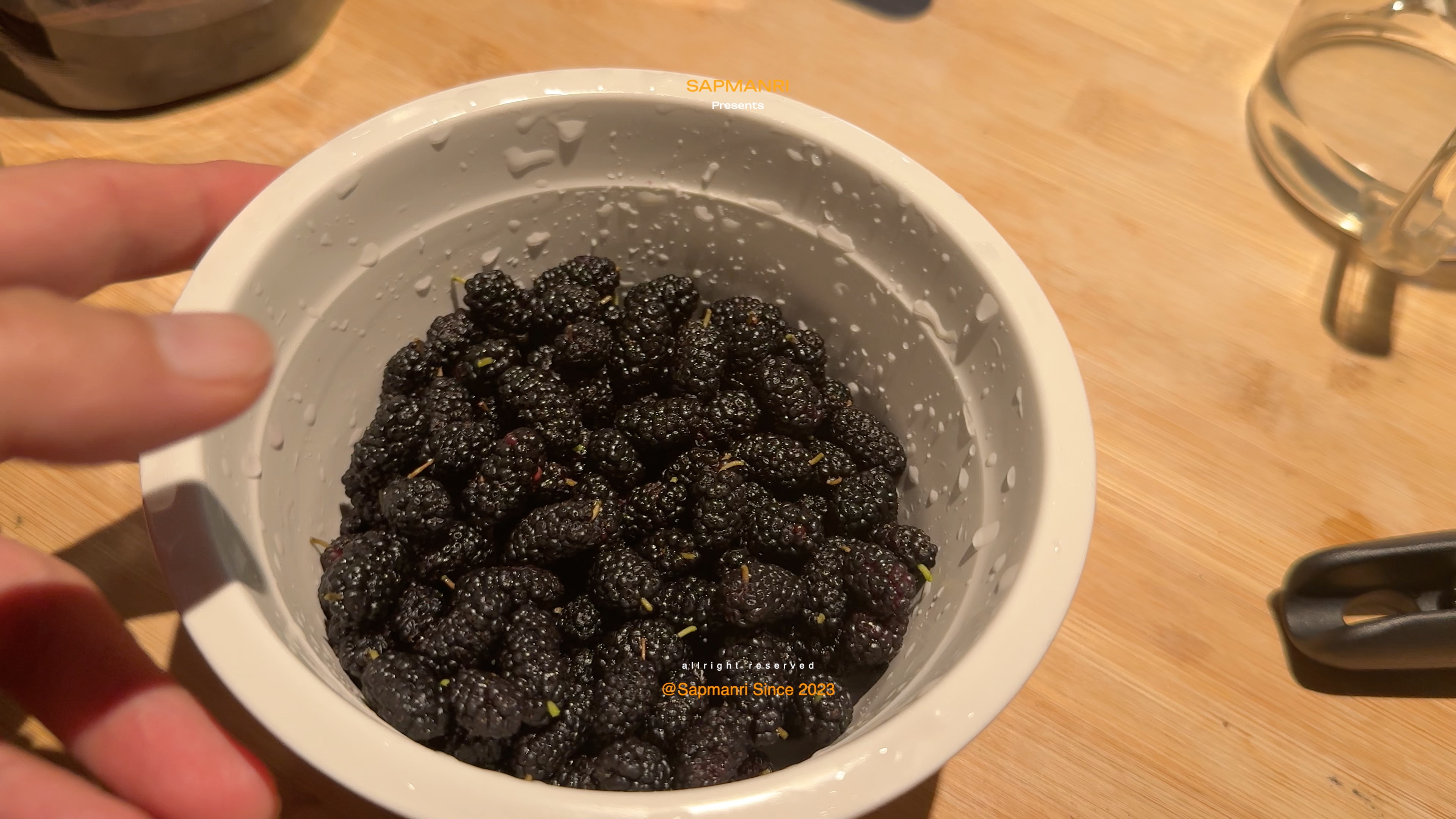
The syrup was not presented as a long-term preservation project. It was simply a way to keep a little of the morning after the tree had been picked over. Most of the fruit still belonged to that first day, eaten outside while it was ready.
Home roasting begins indoors
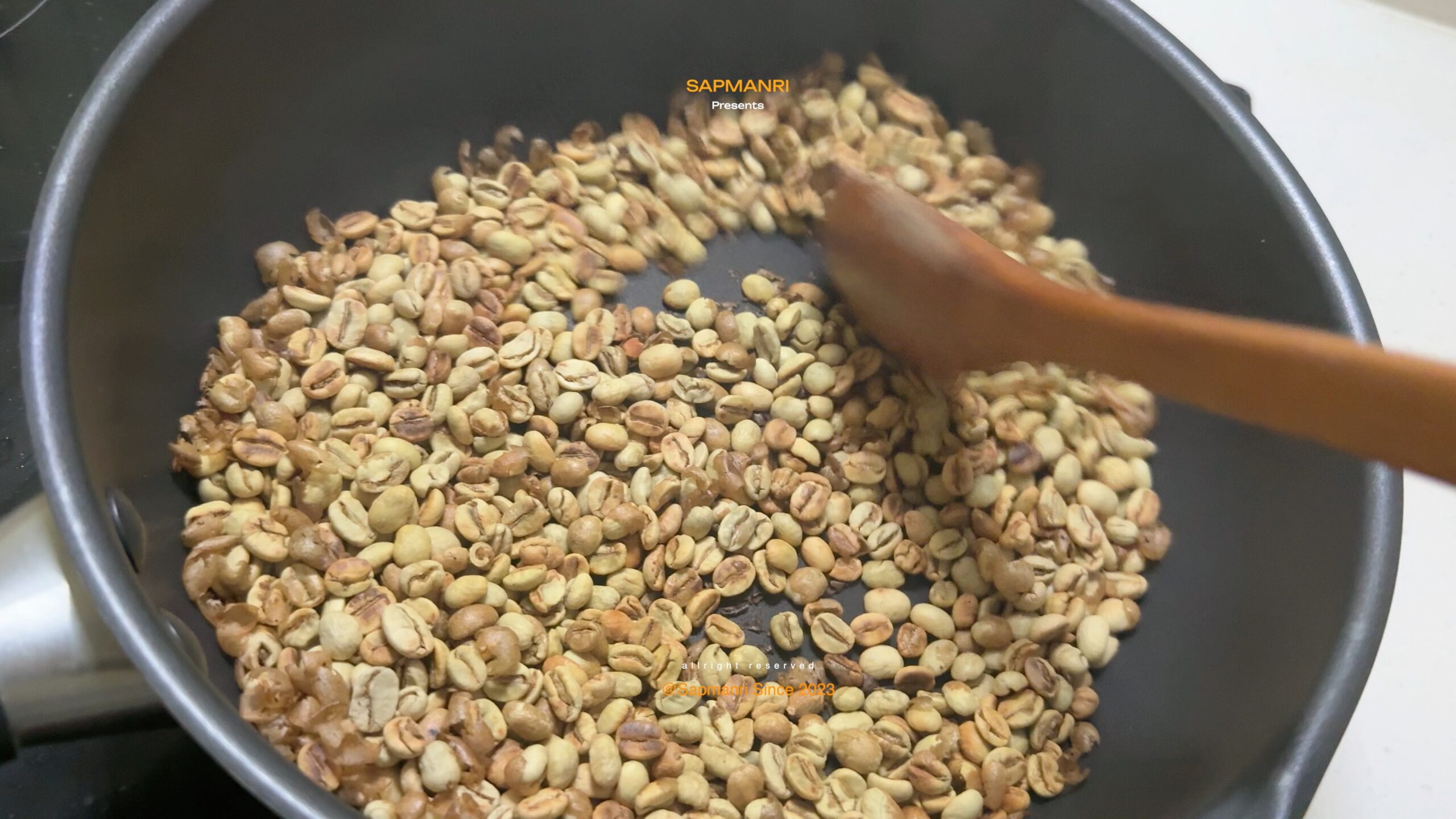
Inside the house, the coffee roaster was warming up. Home roasting looks complicated from the outside, but much of the work comes down to paying attention to a changing sequence. The green beans go in, the temperature rises, and then the first crack begins.
At first the sound is quiet. Soon it becomes clearer and more insistent, a little like popcorn popping nearby. From there, the roast can be taken farther or stopped sooner. A few seconds can change the direction of the result, so the decision happens while the beans are already changing.
I usually prefer a medium roast: coffee that still carries some brightness before moving toward darker, heavier flavours. The preference is personal, not a universal rule. It is simply the point at which the cup feels right for the morning in front of me.
One set of beans, two setups
Later, I tried the same beans in a different setup. I swapped the coated pan for stainless steel and went for a light roast instead of medium. The stainless pan reached the roast noticeably faster, and the lighter result had an acidity that suited drip coffee in a way the coated pan and medium roast did not.
That small comparison was more useful than a general claim about the “best” way to roast. The setup changes the timing, and the roast level changes the cup. What works for one morning may not be what we want for another.
June enters quietly
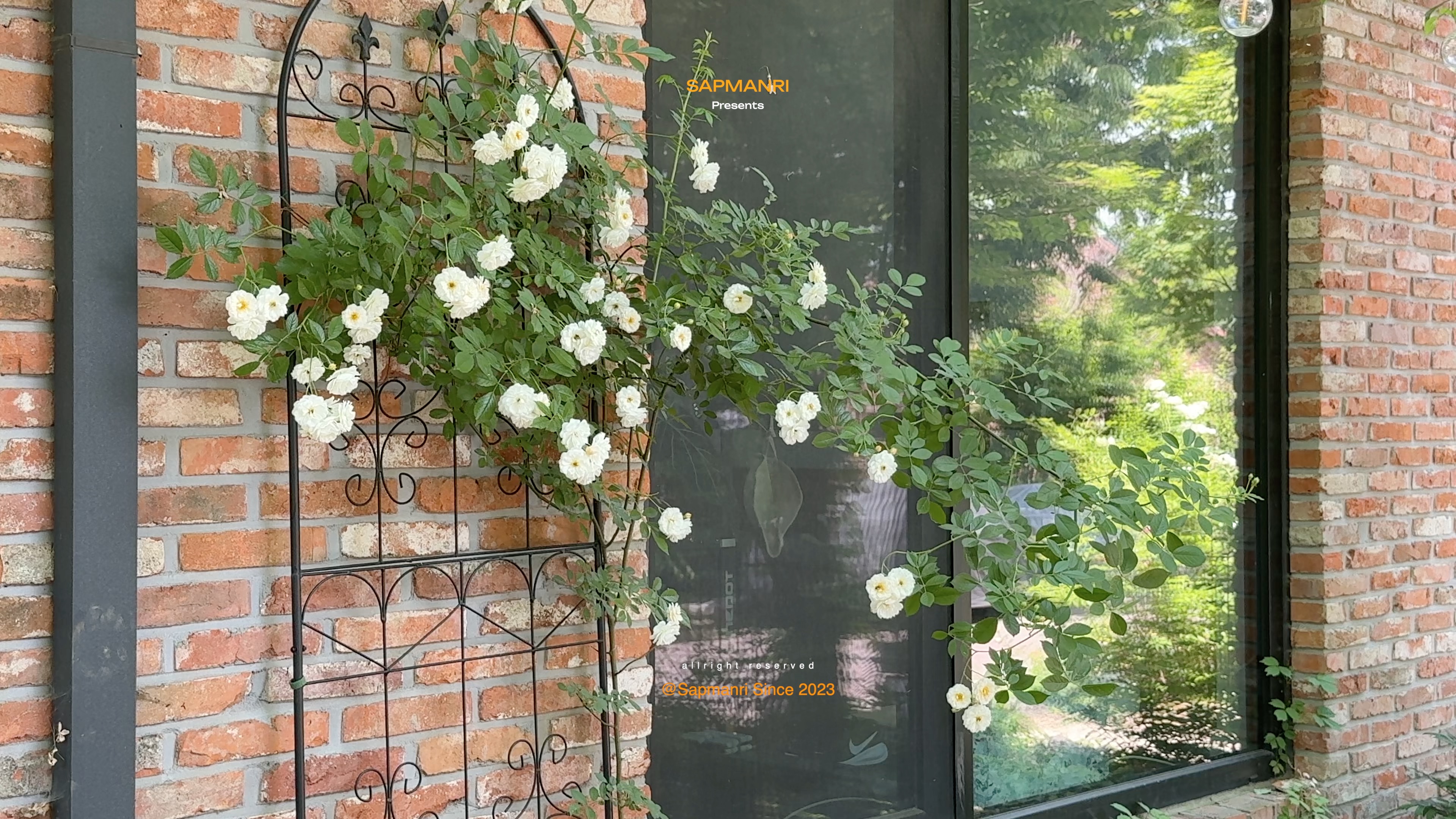
While the beans cooled, the scent of freshly roasted coffee filled the room. Outside, the roses were at their peak. The garden seemed to have entered summer before I had fully noticed.
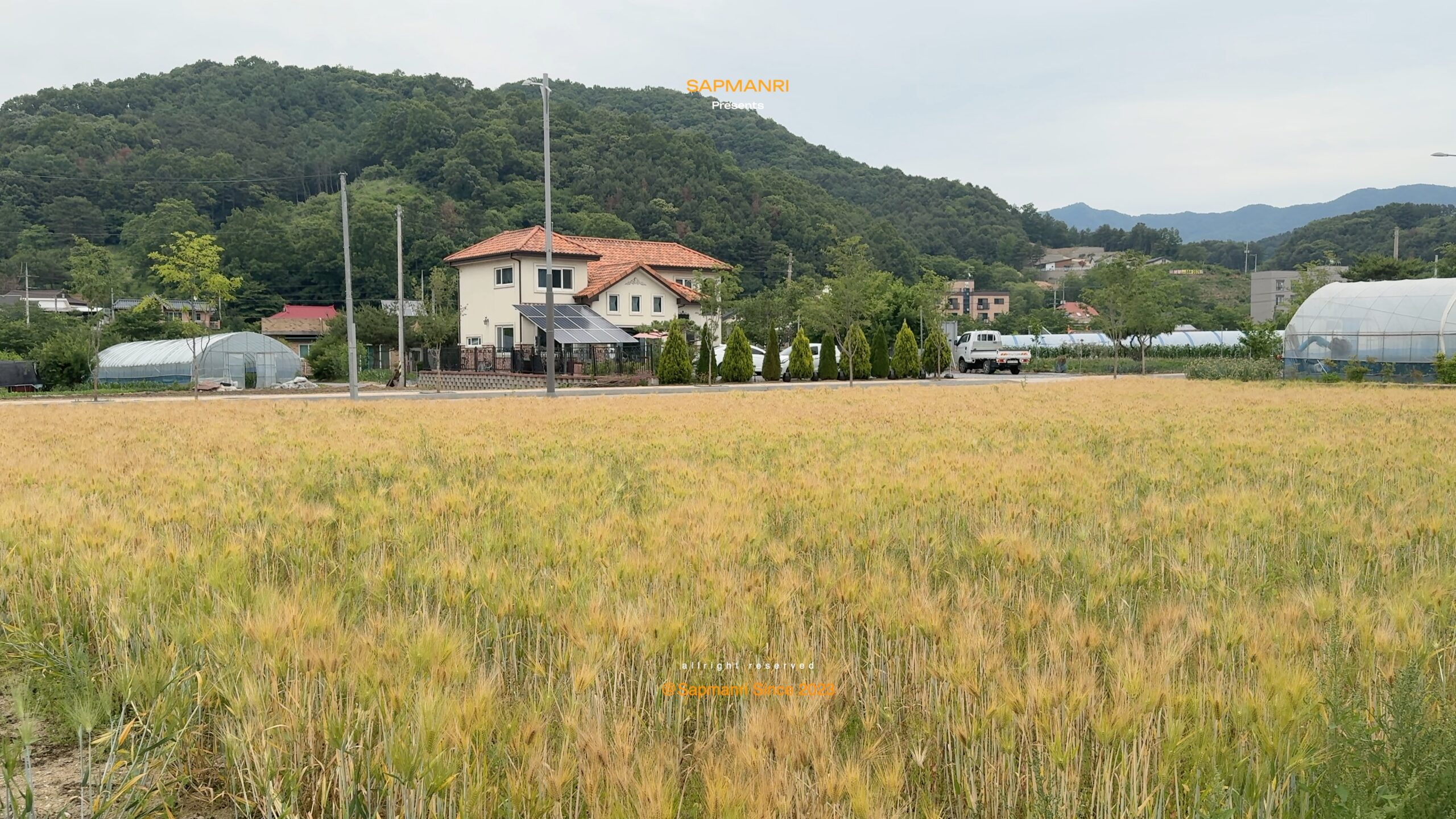
Nothing announced the season. The mulberries ripened, the roses opened, and the coffee beans cracked inside the roaster. June in the Korean countryside often begins this way: abundant, unhurried, and almost unnoticed. It asks only that we step outside, look closely, and notice what has already arrived.