There is a space I have wanted to build for a long time. For three years, we have recorded our countryside days on video: sunlight on the windowsill, rain crossing the yard, coffee cooling beside a book, and days when almost nothing happened but something still remained.
While making those records, a question kept returning. A video can preserve part of a day, but what would it take to make a place where someone could spend that kind of time for themselves?
A plan called Manri Seojae
Our working name for the plan is Manri Seojae. It is not open, and we have not chosen its building. There is no opening date to announce. This is the first public record of the idea while it is still being tested.
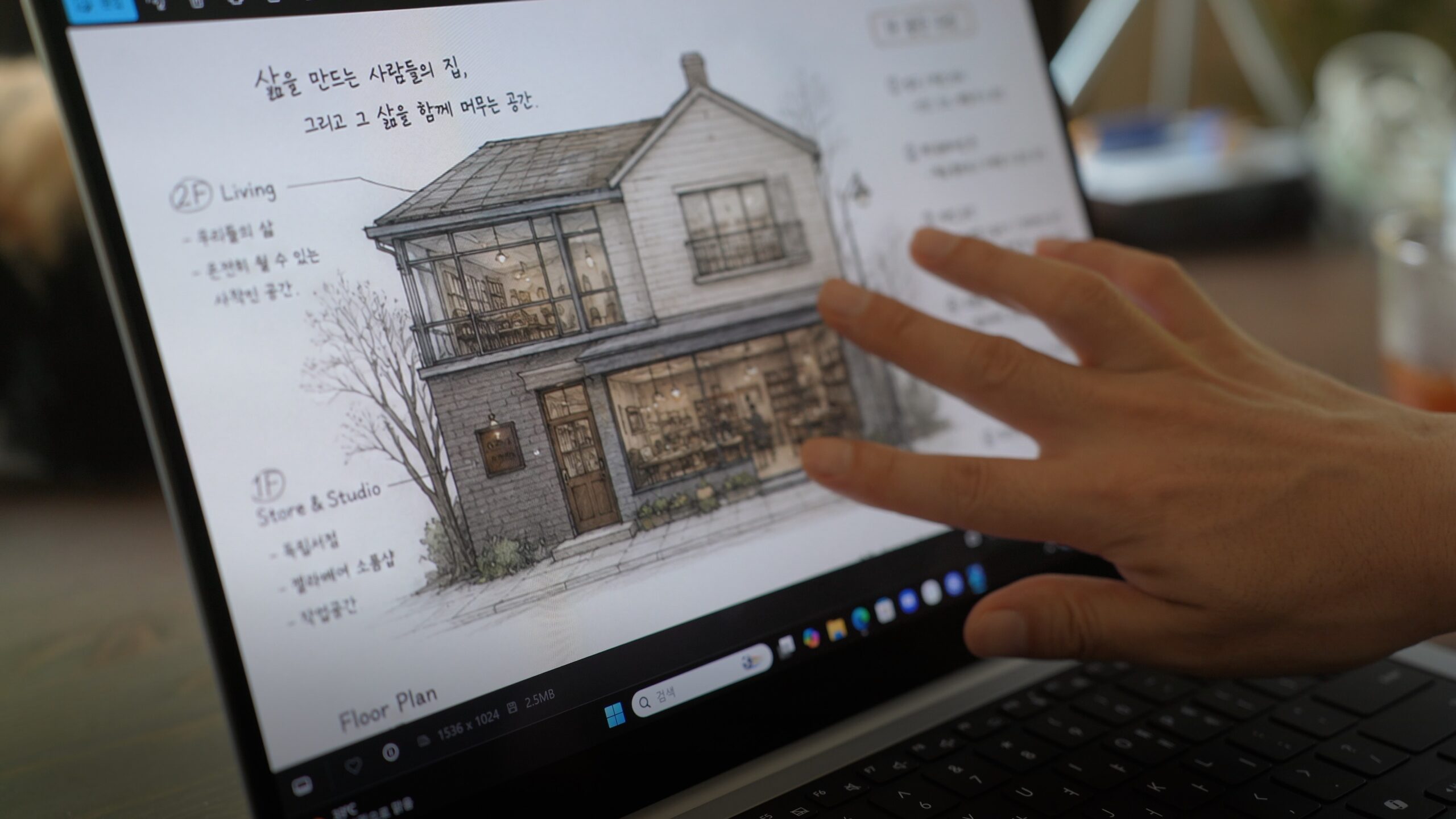
The plan is for a very small library with about three reserved seats, a shop, and a craft studio. Books, coffee, and handmade objects may be part of it, but none of those categories explains the whole place. The central material is time: time to read without hurrying, watch rain pass a window, sit near a fireplace, or remain with a blank page.
Why the space cannot be only a set
It would be easy to arrange a beautiful room and call the work finished. That is not enough for what we have in mind. A photograph can make a chair and window look convincing, but a real place also needs heat, storage, cleaning, access, workable furniture, and a reason for people to return.
We want the quietness to come from how the place is used, not only from how it is styled. With only a few reserved seats, the scale would stay intentionally small. The shop and studio would need to support that rhythm rather than turn the room into another crowded destination.
The building we did not choose
This week we visited a building with an unusual structure. It was easy to imagine books, tables, and long afternoons inside it. It was also clear that imagination was only the first test.
We decided to keep looking. A beautiful building is not automatically the right building. The practical questions—how people arrive, how the rooms work through the seasons, what must be repaired, and whether the scale is sustainable—still have to be answered. Recording this rejected possibility matters because the finished place, if it comes, will be shaped by the buildings we chose not to take as well as the one we eventually choose.
Byeol grows beside the physical plan
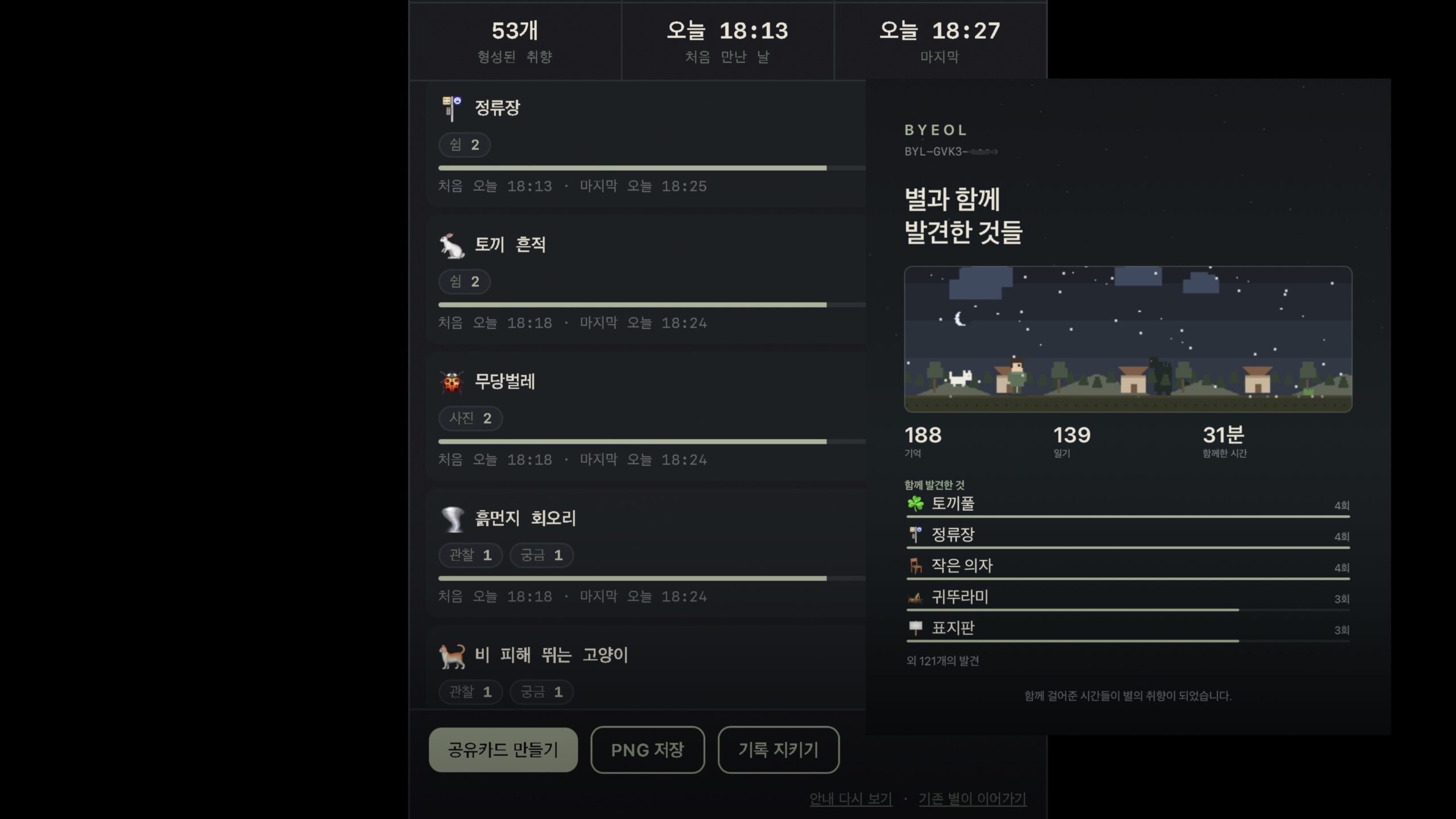
At the same time, Byeol, the character introduced the previous week, became a small 2D pixel person. She walks through a digital world, observes what she meets, and leaves short diary-like records. The project is different from Manri Seojae, but the two share a question: how can attention accumulate into a place or a character that feels lived in?
People can currently meet Byeol at byeoli.sapmanri.com. That link is an active experiment, not evidence that Manri Seojae itself is open.
The ordinary week around a large idea
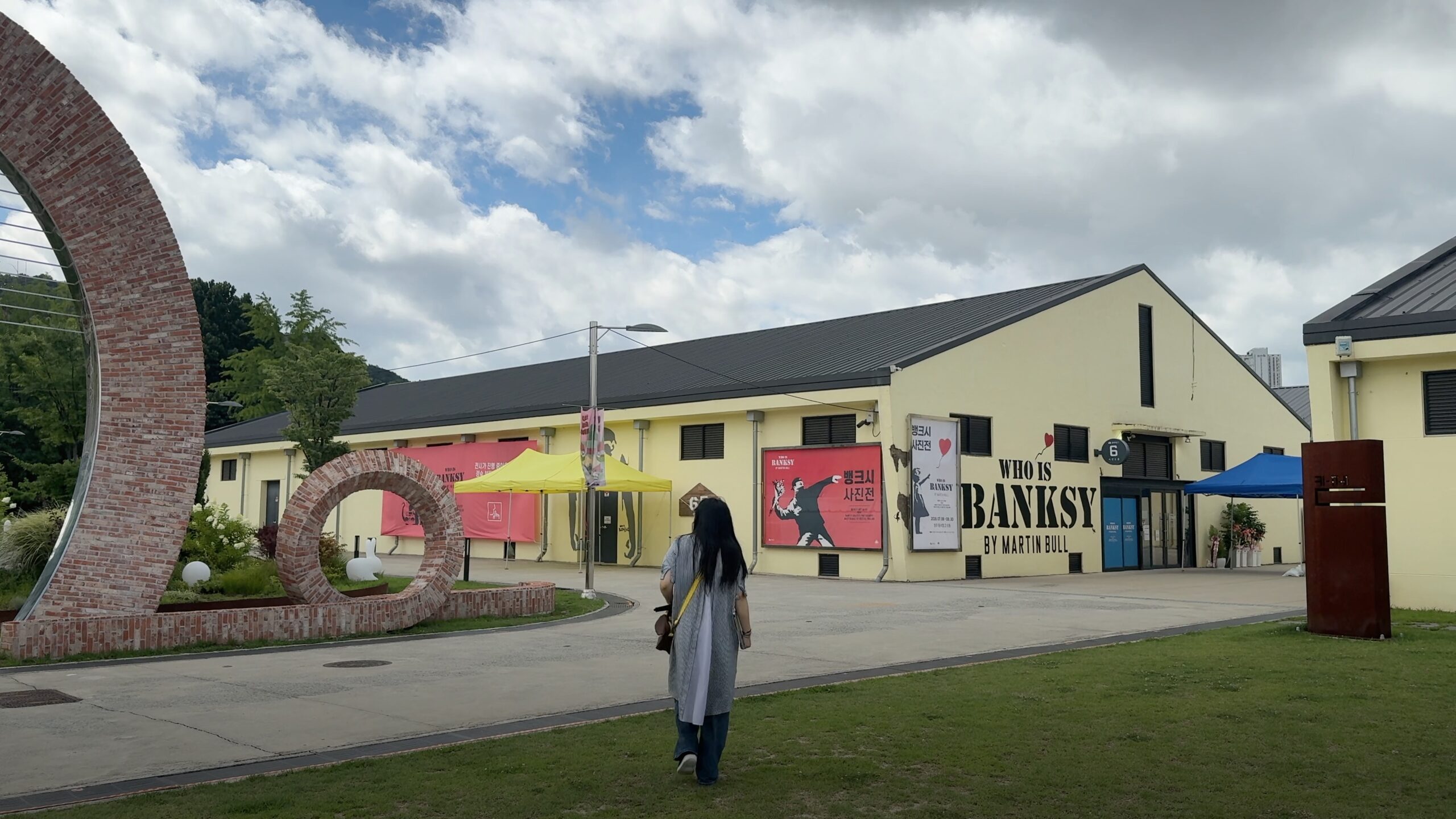
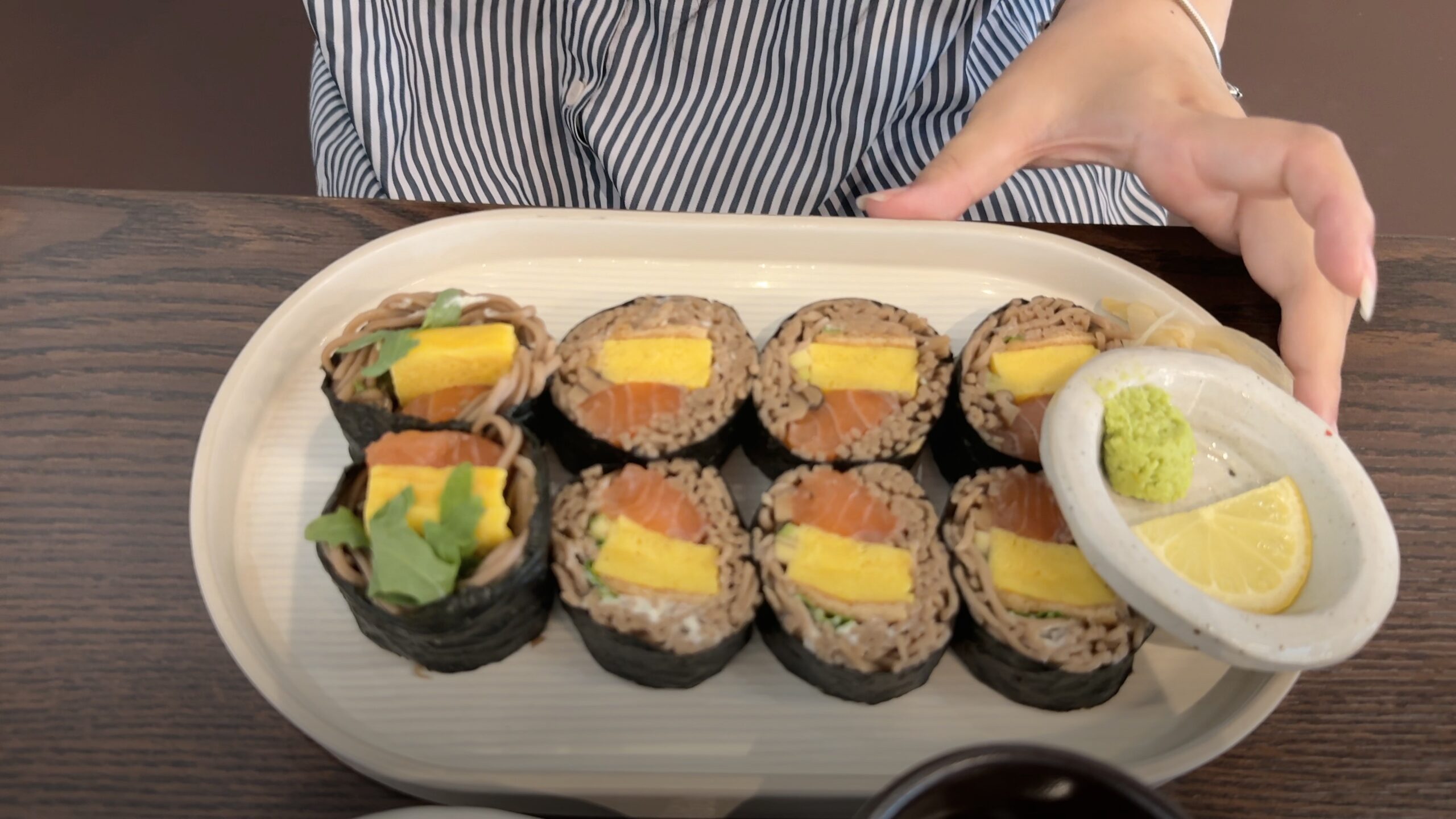
The rest of the week did not behave like a launch. We made a day trip to Cheongju, stopped at Dongbu Changgo while a Banksy photo exhibition was being shown, looked at the ticket price, and decided not to enter. Lunch was buckwheat salmon gimbap.
Back home, a sparrow visited the feeder for the first time. The sunflower opened. The cherries ripened while our attention was elsewhere. A wasp nest appeared and a typhoon arrived earlier than expected. The plan for a new space lived among these ordinary events rather than replacing them.
What is decided, and what is not
What is decided is the intention: a small place where books, people, handwork, and unhurried time can stay together. What is not decided includes the building, schedule, operating details, and final form.
We are sharing the planning stage because a place is not born on opening day. It begins in repeated conversations, unsuitable buildings, practical doubts, and the gradual discovery of what the idea can actually support. Future updates should be read as a development record until we explicitly publish confirmed opening information.