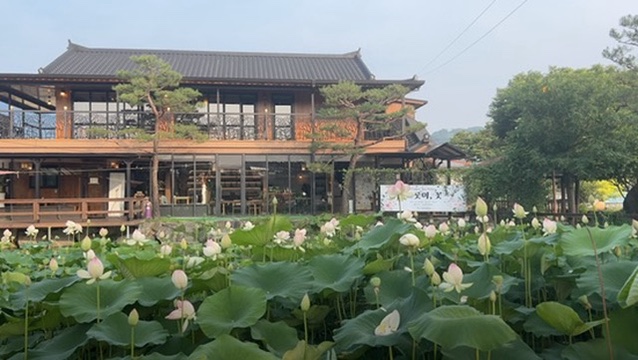
This entry was published on February 14, 2026. It records one Valentine's Day rather than proposing an itinerary: a winter outing to Seojong, a stop at Munhori River Market's permanent shop, coffee, black buckwheat tea at home, and gondre pot rice with fish for dinner.
The photographs preserve the day's order without preserving every meal, price, shop, or conversation. Those gaps remain open instead of being filled with a polished itinerary.
The first surviving place is Maeil Sanghoe
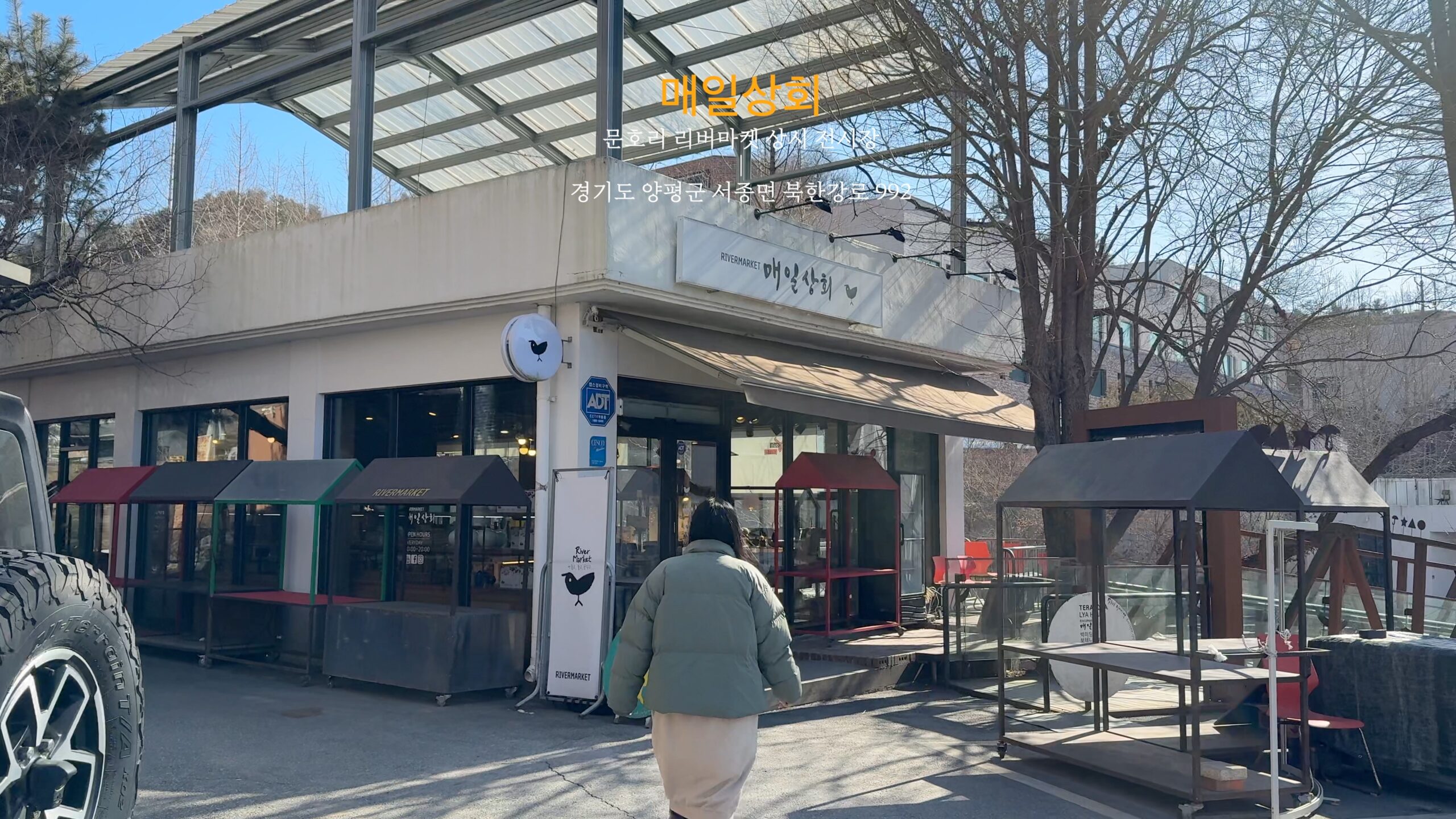
The national tourism service's current Munhori River Market entry explains that the project began as a local riverside flea market and later included both periodic markets and the permanent Maeil Sanghoe shop. That context is useful, but dates and programmes still need checking before a new trip.
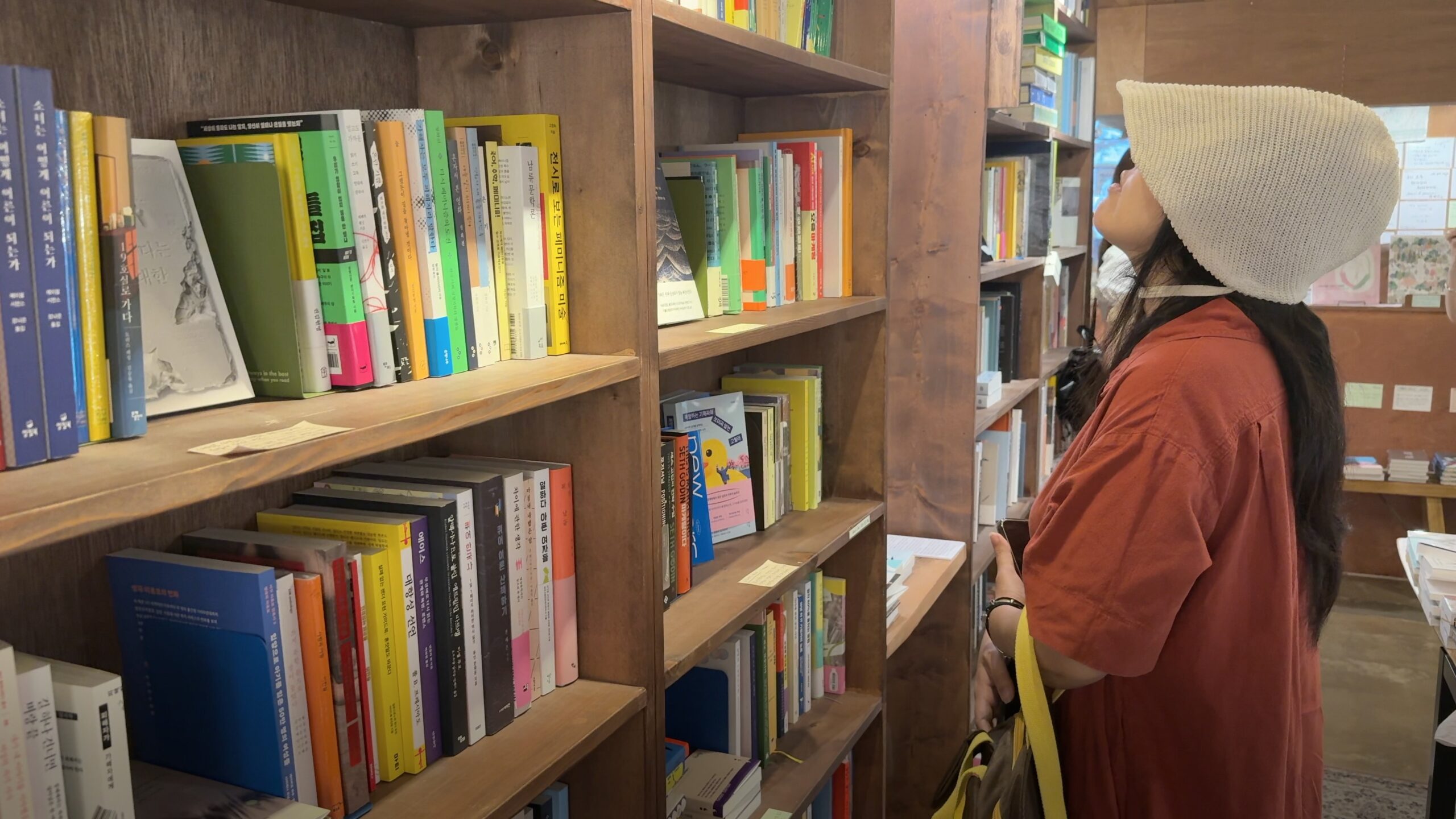
We moved slowly among household objects and handmade goods. The value was not a purchase list. It was seeing what other people had chosen to make, keep, or place together.
Seojong was a short winter interruption
We stopped for food during the outing, but the archive does not retain a photograph of the dish or a readable receipt. One frame shows small earthen containers by a restaurant window; it cannot verify the exact menu.
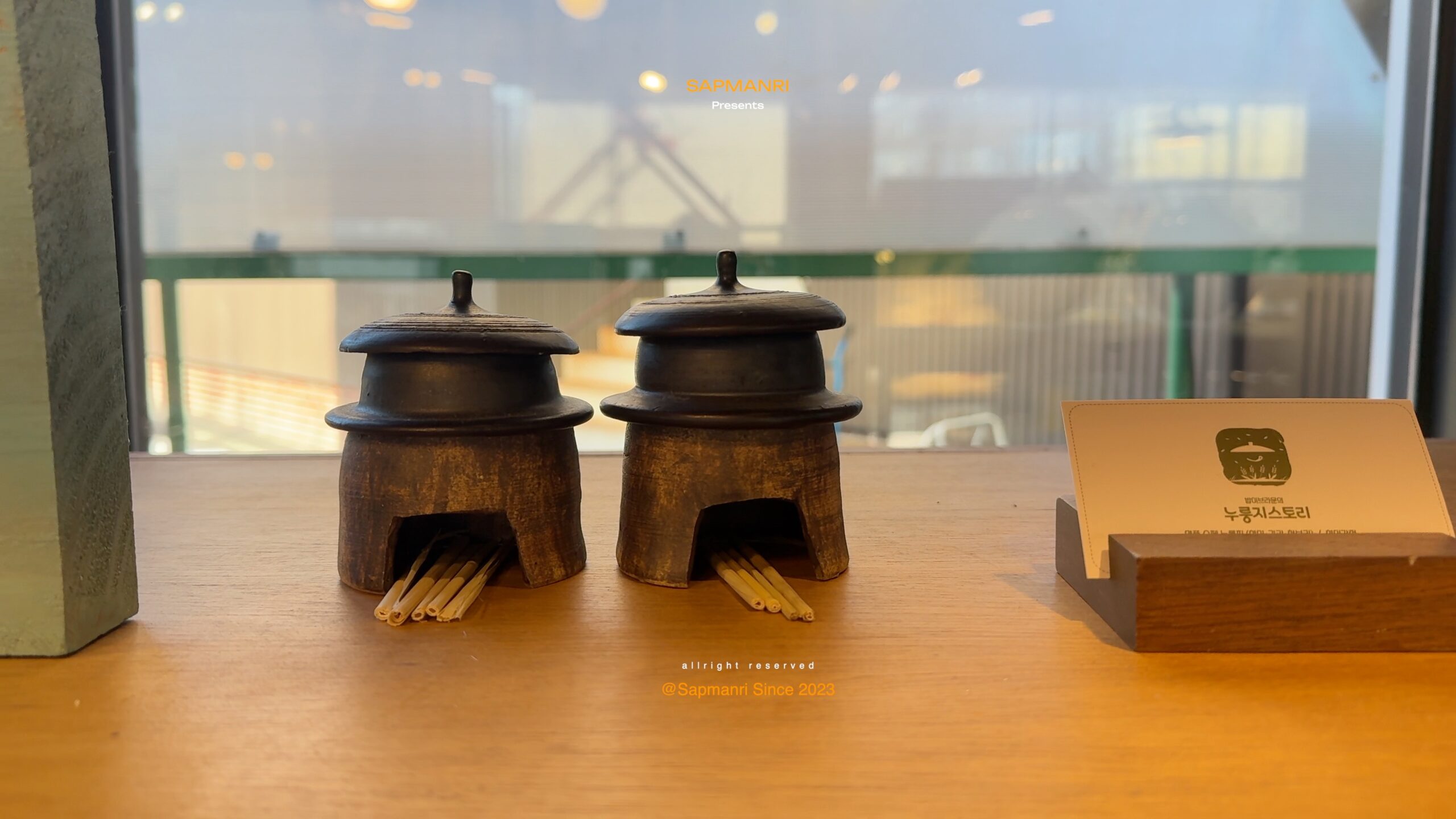
That distinction matters. A personal memory can remain incomplete without becoming a current restaurant recommendation.
A coffee stop left only a few concrete frames
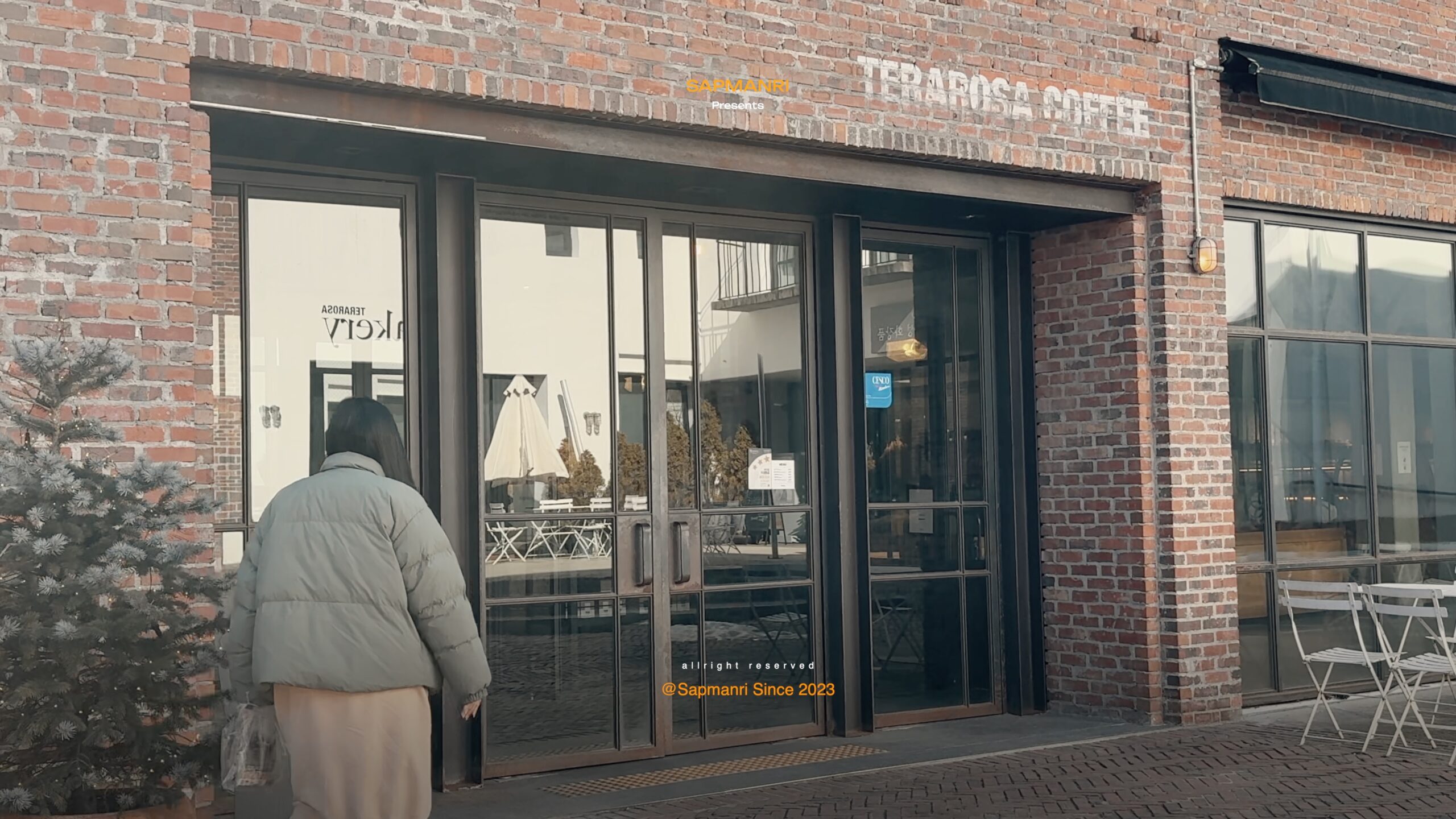
At Terarosa, the archive keeps the exterior, a warm drink beside a pastry, and a small plant in window light. It does not keep the order name, price, or waiting time. Those details have been left out instead of reconstructed.
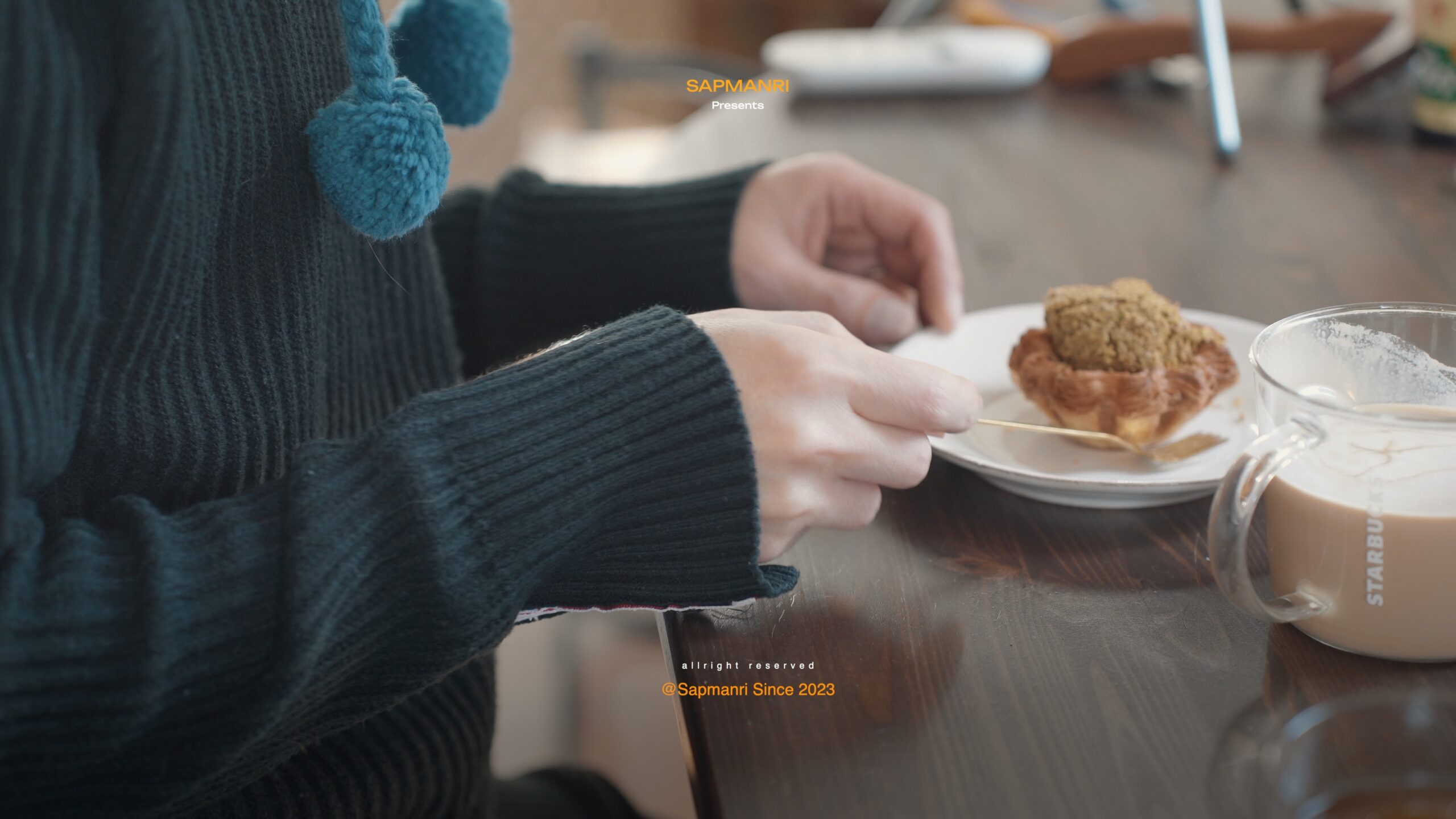
The contrast was enough: bare trees and hard winter light outside, a warm table inside, then the decision to go home before the day became an itinerary of stops.
Black buckwheat tea returned the day to the house
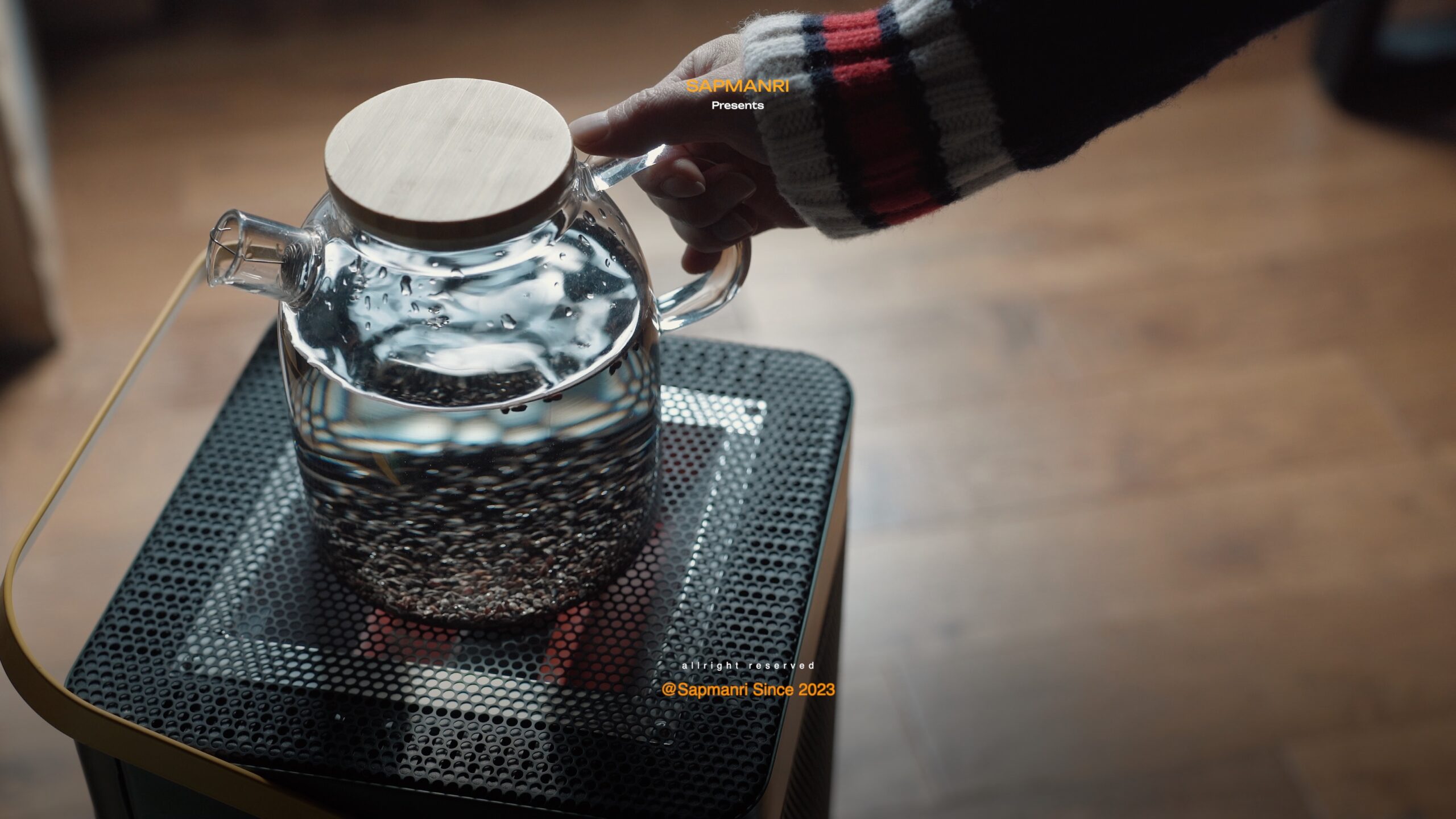
Back home, roasted black buckwheat steeped in a glass pot. The surviving frame begins after the grains entered the water, so it records the nutty winter drink rather than a complete roasting tutorial.
Gondre pot rice was the part we actually photographed
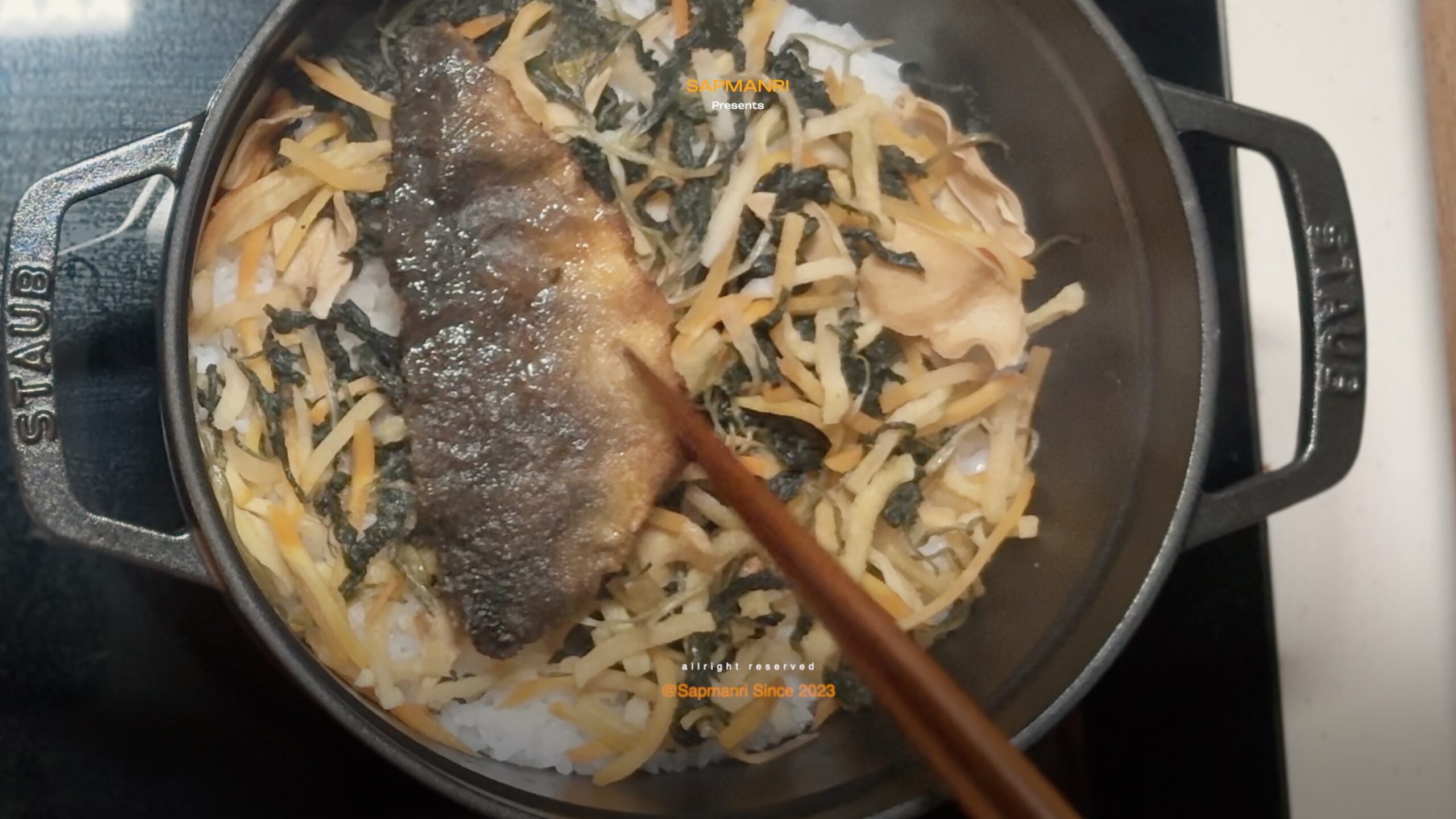
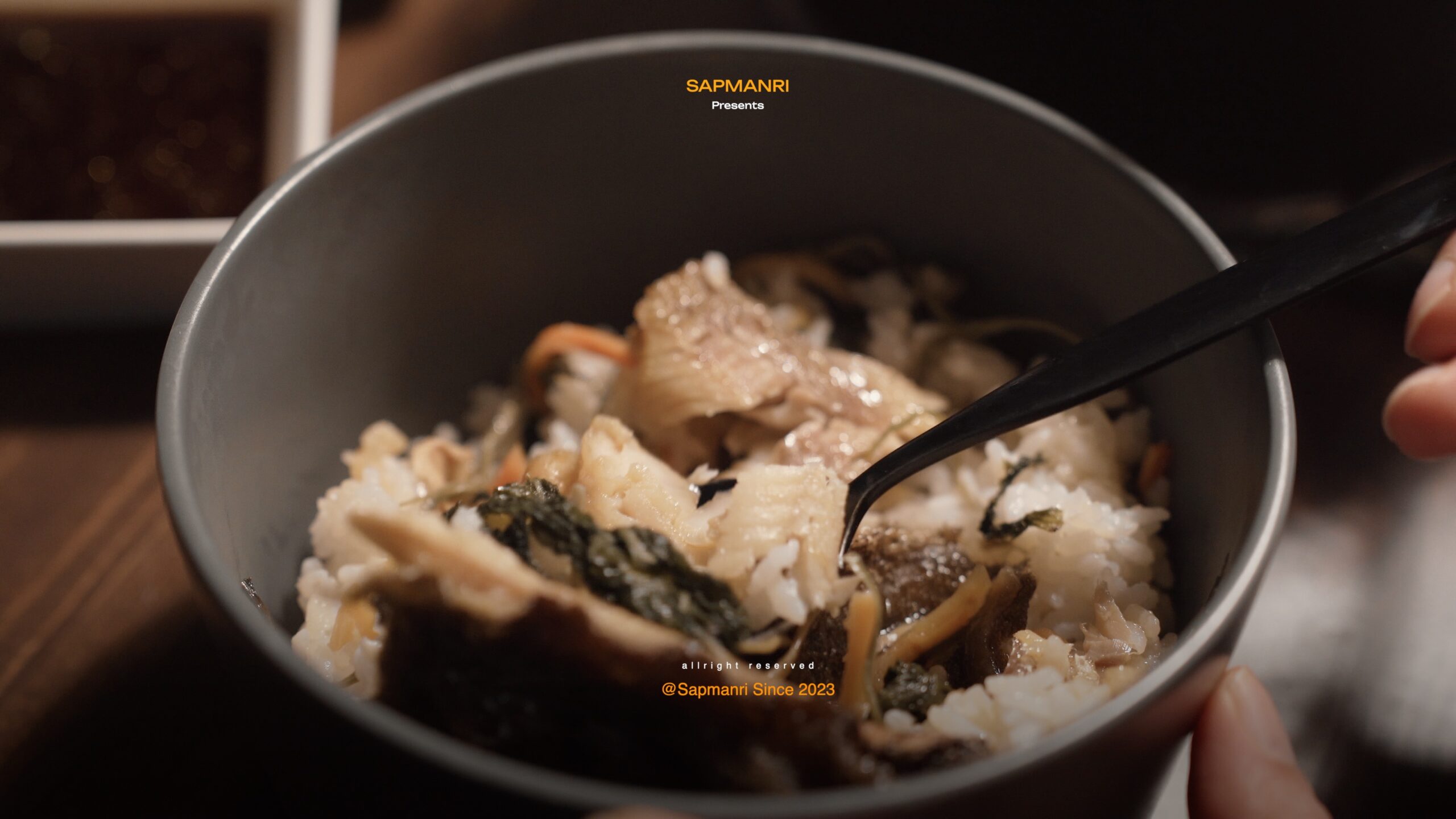
The pot held rice, gondre, sliced vegetables, and fish. As it rested, the ingredients settled into one meal rather than several separate dishes. The second photograph shows the rice mixed in a bowl, with pieces of fish and greens still visible.
Our pot notes are not a universal formula
The original household note records equal volumes of rice and water, dried gondre soaked for thirty minutes, and ten minutes of resting off the heat with the lid closed. Those numbers describe one pot, one rice, and one batch of dried greens. Different cookware, rice, greens, and fish can require different preparation and cooking times.
Anyone reproducing the meal should use the ingredient package and cookware instructions, handle the fish safely, and confirm that it is fully cooked. This page preserves our sequence; it is not a tested recipe standard.
What Valentine's Day meant in this record
There was no grand gesture in the photographs. The day moved through a winter shop, a coffee table, a teapot, and a shared pot of rice. Its shape came from attention rather than spectacle.
That is the part worth keeping. A special day did not need invented scenes to become memorable. It needed only to be noticed closely enough that the ordinary objects could carry it home.