Many people dream of living in the countryside. A quiet morning. A small yard. A cup of coffee near the window. A garden that changes little by little with the season.
From far away, countryside life often looks peaceful, slow, warm, and simple. After living here, we still recognise those things, but we also notice what the picture leaves out: the work that keeps the picture standing.
The work behind the view
There is always something to clean, move, repair, or prepare before the rain comes. Something grows faster than expected in the yard. A branch falls. A pot cracks. A corner that looked finished in the evening needs attention again in the morning. A house with a garden asks for your hands more often than you imagine.
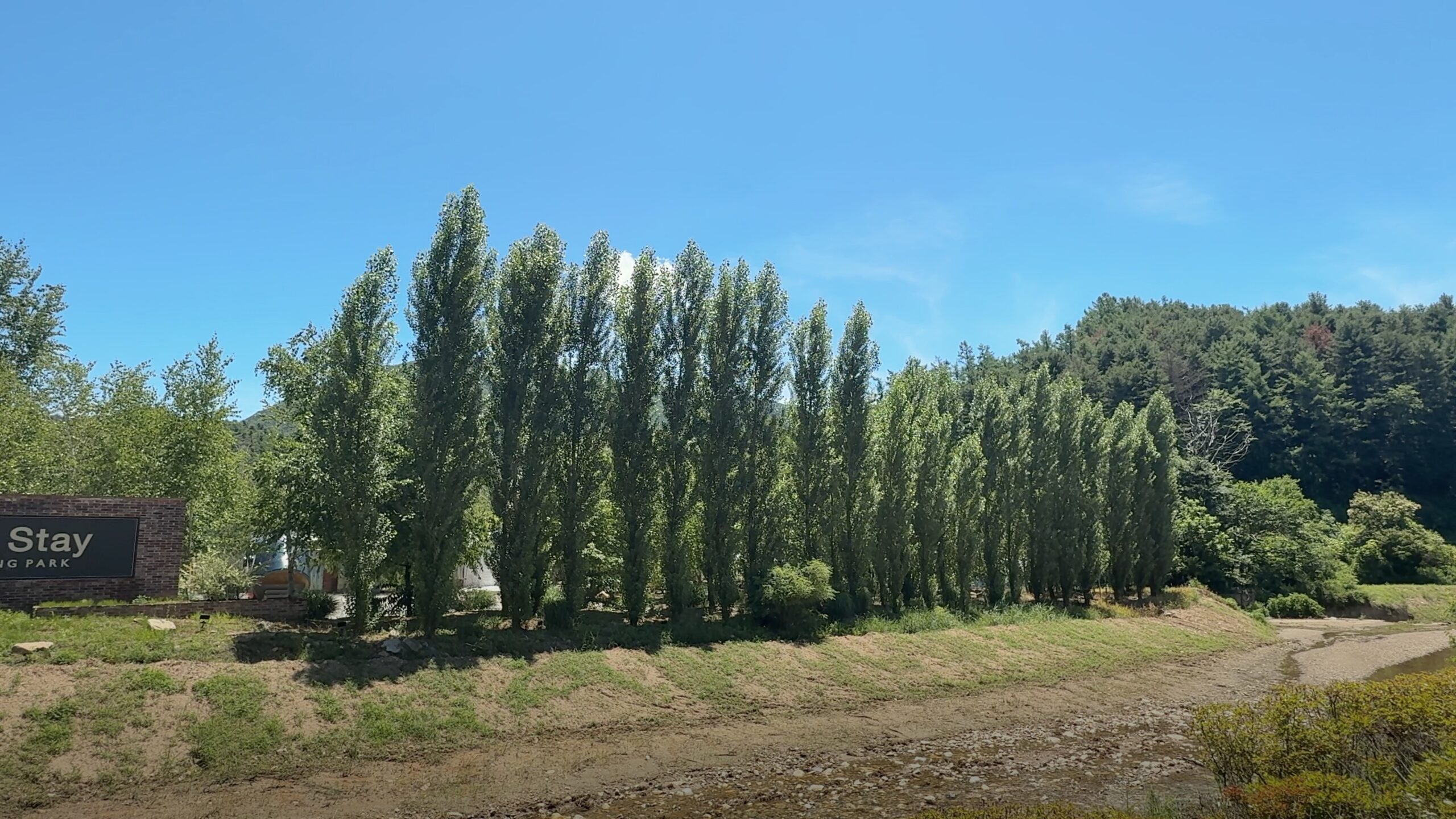
That does not make the countryside less beautiful. It changes what beauty means. The view is no longer separate from the maintenance. The garden is a place to look at, but also a place to clear, water, carry things through, and return to after the weather has changed.
What an ordinary day asks of us
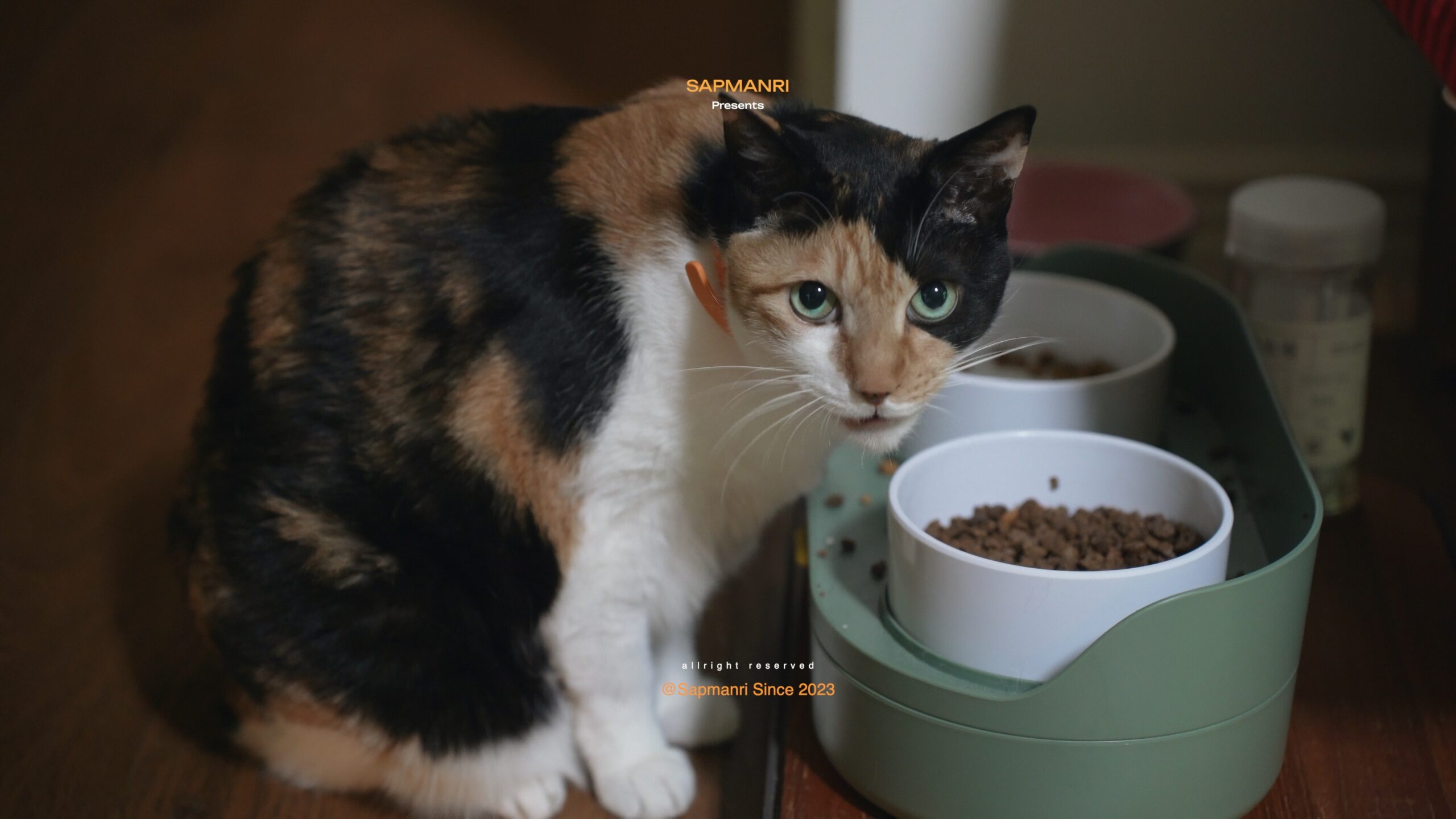
Our mornings are made from small checks. We make a drink, look around the yard, see what changed overnight, and notice the things that need to be moved before they become a problem. Cats appear at the edges of the routine. The weather decides whether a job can happen now or has to wait.
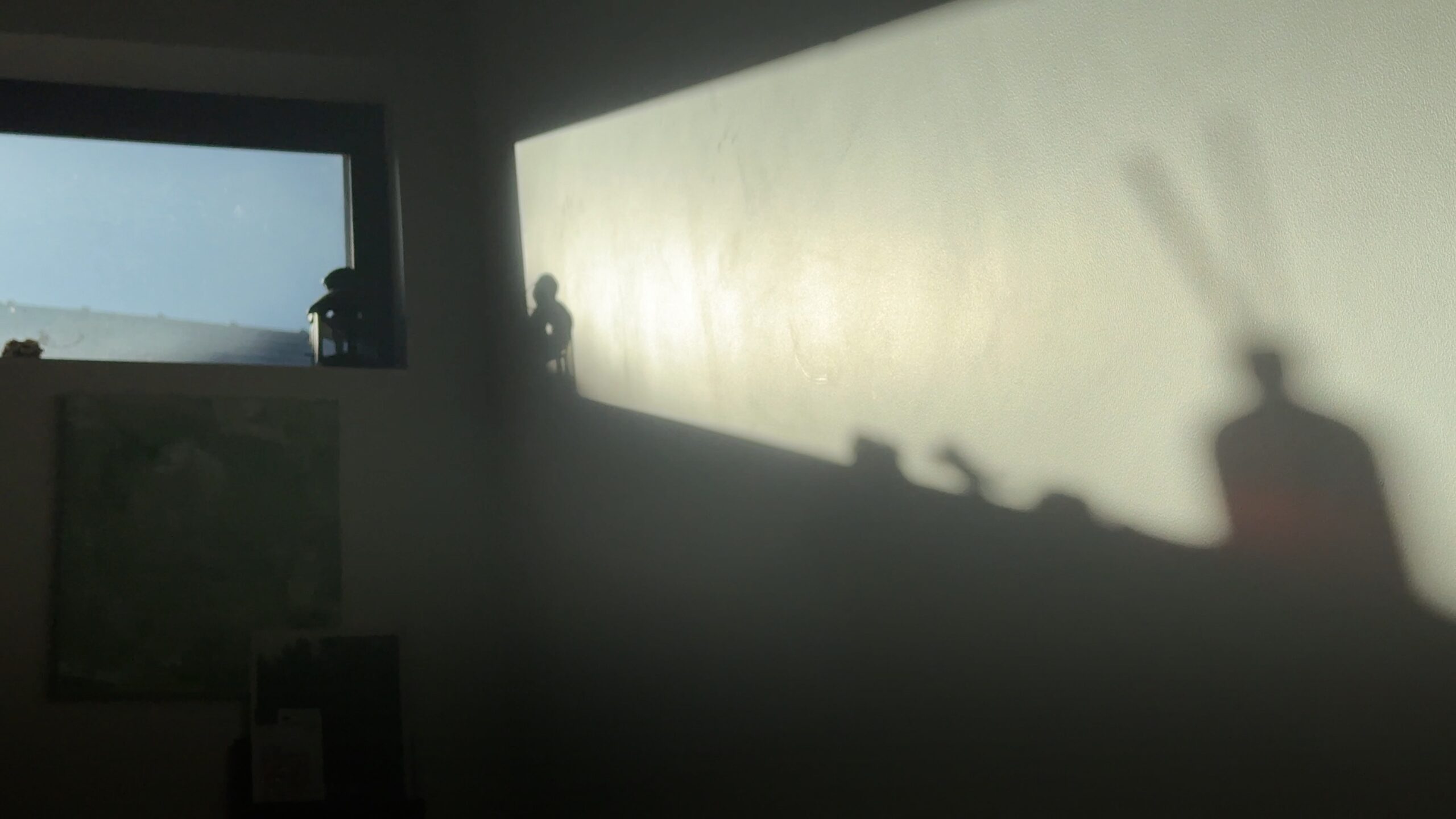
There are days when nothing special happens. No dramatic harvest, no perfect sunset, no project that can be photographed as a finished result. Most days are small routines and small decisions. That is not a disappointment. It is the actual shape of living somewhere long enough to notice it.
Three years changes the question
At the beginning, we asked whether rural life would feel like the dream we had imagined. Later, the question became more practical: what kind of work are we willing to repeat, and what kind of quiet do we want to protect?
We learned that a slow life is not a life without effort. It is a life in which the effort is easier to see. The work is close to home, the result is often modest, and the same tasks return with the seasons. That repetition can be tiring, but it can also give a day a shape.
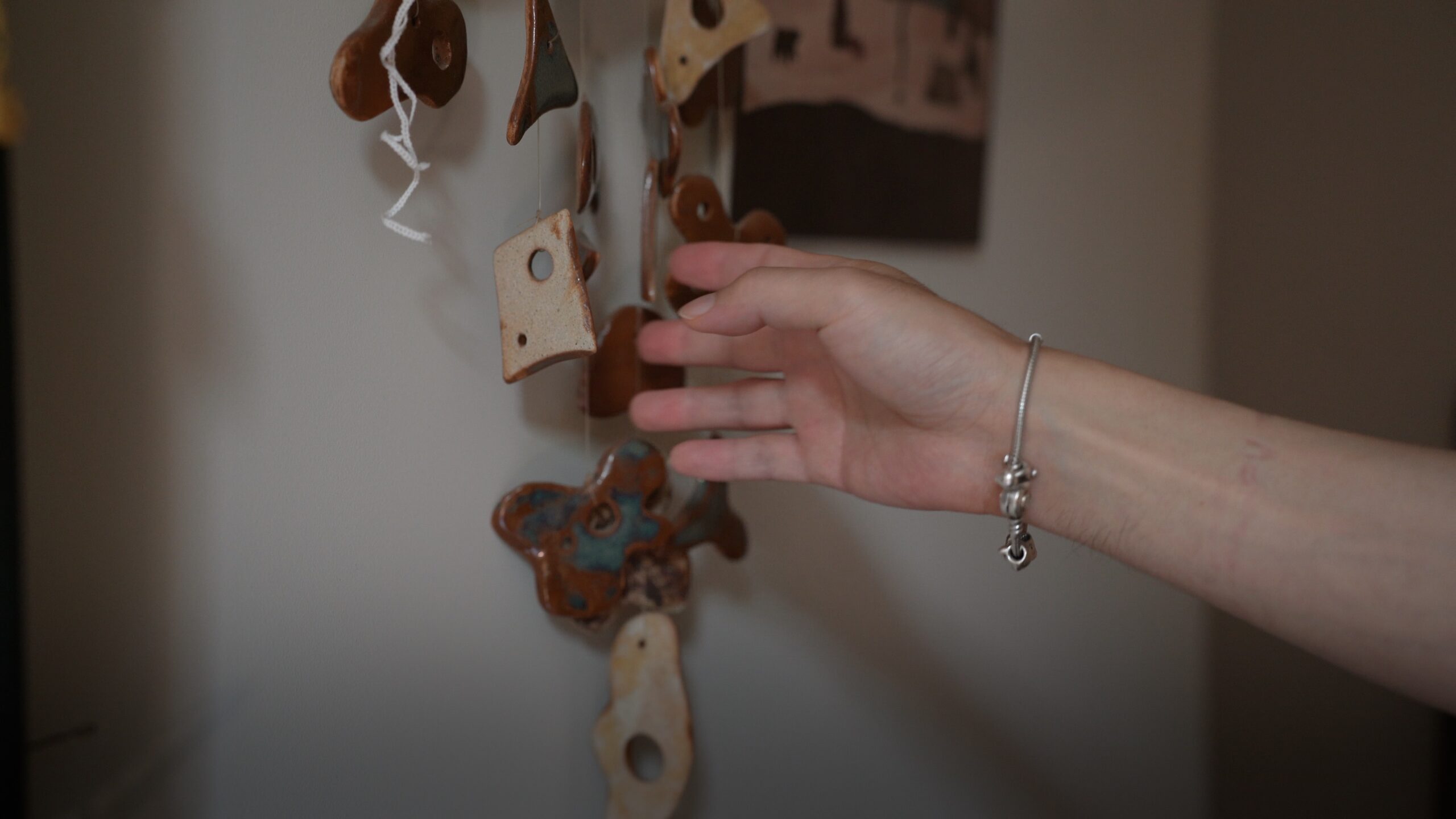
What this record is—and is not
This is not a guide promising that moving to the countryside will solve a difficult life. It is one quiet record from a Korean countryside home: some work around the yard, a slow cup of coffee, and the ordinary moments that usually disappear before anyone names them.
We started this series because we wanted to live here first, before turning the countryside into a dream for someone else. We wanted to touch it, maintain it, and record it honestly enough that the beautiful parts and the inconvenient parts could remain in the same frame.
Why we keep recording
A record becomes useful when it helps another person see more clearly, not when it persuades them to copy us. If you have ever wondered what daily life in a Korean countryside home might actually feel like, we hope this small account gives you a more complete picture: quiet, work, weather, repetition, and the occasional moment that makes all of it feel worth noticing.
Country life is not one long beautiful scene. It is a collection of ordinary days that slowly become the shape of a life.